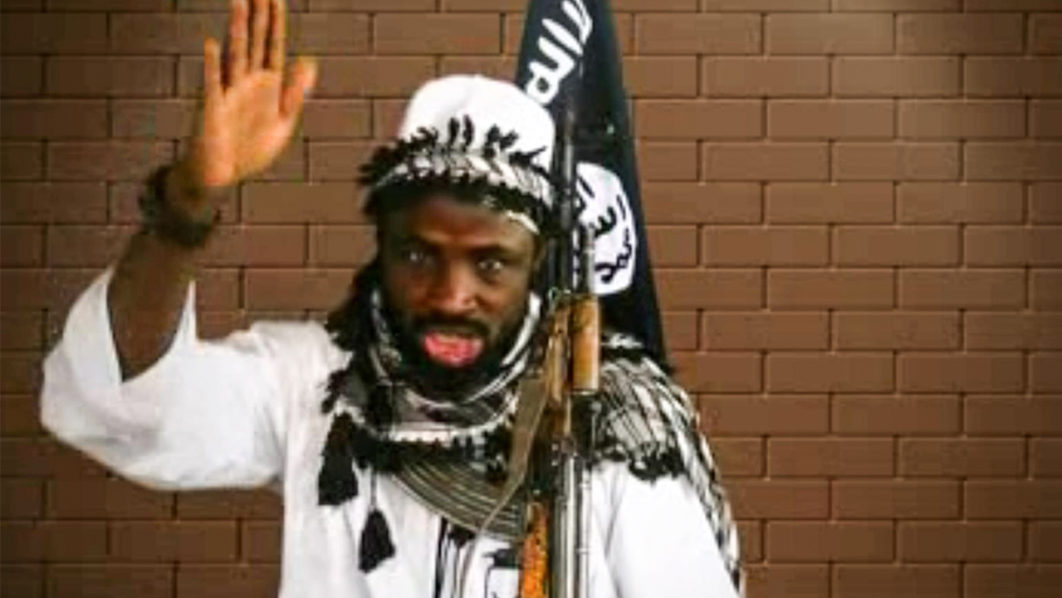
Here is a list of some of the world’s wealthiest – and most dangerous –
terrorist organizations and how they make their money. The list was
created based on interviews with security experts and counter-terror
specialists, as well as reports and analysis from international NGOs,
academic and government organizations, and think-tanks. It brings to
light estimated numbers behind the top ten wealthiest terrorist
organizations from the State Department list of Designated Foreign Terrorist organizations.
#1 Hizballah
Total annual Income – $1.1 billion
Other than the Iranian Government, there is no doubt who is the primary beneficiary of the nuclear agreement. Within a few years, Hizballah’s budget jumped significantly with the government expenditure out of Tehran, and if in the past they received about $200 million per year, today the Iranian funding of the Lebanese terror group, according to estimates by the security establishment, is evaluated at more than $800 million dollars annually.
But despite the large sums of money flowing from Tehran, the extremist Shiite organization did not always enjoy such wide financial support and there were times in the not-too-distant past in which, as a result of urgent liquidity problems, they made do with just hundreds of millions. Because of this, Hizballah made sure to vary its sources of capital; from raising money and support collected by organizations camouflaged as charities and scattered all over the world, down to real estate dealings and “used car” dealerships run by private business people.
The crowning glory of Hizballah’s business portfolio is its hold on the global drug industry. The organization’s worldwide crime operation extends from South America, through Africa, Europe, the Far East, Australia and the Middle East. Among their various activities, there are active Hizballah cells engaged in constant money laundering, forgery, weapons trade, smuggling, and of course producing and trading drugs, primarily heroin and cocaine.
Despite sweeping denial by the leaders of the religious extremist organization, officials from the American Drug Enforcement Administration (DEA) have in the past presented conclusive evidence linking the drug organizations active at the Triple Frontier (Argentina-Brazil-Paraguay) with extremist Muslim organizations and Hizballah in particular. Its involvement in the drug industry of South America began in the early 1980s and has gained significant momentum over the last decade; through use of the large Shiite-Lebanese diaspora and close collaboration with South American cartels and drug organizations as well as crime and terror organizations in North Africa, a global-narcotic network has been created, netting billions of dollars a year. Among those enjoying the spoils is Hizballah. Today the total income generated by the organization’s global-narcotic operations comes to hundreds of millions of dollars yearly.
#2 – The Taliban
Total annual income: $800 million
Unfortunately, the Taliban’s success in recent years can also be measured financially. The Taliban runs a financial mechanism similar to that of ISIS (until recently) – the broader the territory they seize and the greater the population under their control, the more resources and potential revenue streams they have to convert into huge sums of money. The Taliban’s primary source of income today, as much as hundreds of millions of dollars each year, comes from the production and trade of drugs (mainly growing opium and manufacturing heroin). After that (in order of decreasing importance) the organization makes hundreds of millions from the pirate mining of natural resources within the regions under its control, collecting ransom for hostages and, finally, from donations.
As mentioned, the foremost source of capital for the Jihadist organization relies on the extensive narcotic network built and refined over the years. This made Afghanistan into the biggest heroin production and growing operation in the world and the reason why more areas in Afghanistan are used for growing opium than there are areas in Latin America for growing coca. This network is responsible for one of the most essential arteries of the global drug industry, yielding hundreds of millions of dollars a year. According to the '2017 World Drug Report' of the United Nations Office on Drugs and Crime (UNODC), Afghanistan is the largest producer and exporter of opium in the world and is responsible for the production of approximately 90% of the world’s heroin. In total, more than 400 tons of heroin are produced in Afghanistan each year and the net value of opium exports alone constitutes around 12% of the country’s GDP. A report presented to the UN’s Security Council states that roughly 3 million Afghani people today are directly or indirectly employed by the drug industry. This is mind-boggling, as the country’s entire workforce is approximately 8 million people, according to the CIA.
As much as this sounds like a huge sum, this is only half of the total income produced by the Taliban. An important additional piece in their rich and varied financial system is their pirate mining of minerals, namely copper and iron. A further significant source of income for the organization comes from donations, mostly from wealthy Saudi sheikhs and philanthropists. According to a study conducted by the New York Times, the Kingdom of Saudi Arabia is among the group's heavy funders of the group. Although the government in Riyadh officially supports the Afghani government and the American task force in the country, Saudi authorities in practice turn a blind eye to the increasing sums of money flowing from the private accounts of the wealthy.
#3 – Hamas
Total annual income: $700 million
Last June marked tenth anniversary of the Hamas movement’s control over the people of Gaza. Looking back, it seems there is no cause to celebrate. A special report recently published by the UN allowed a glimpse into the intolerable life in Gaza under the mismanagement of Hamas and points to a dizzyingly escalating humanitarian crisis. According to a summary in the UN report, the Gaza Strip will be unlivable by 2020 if the current situation persists.
The security intensification that came with Hamas' seizure of rule over Gaza brought with it immediate economic mayhem. A stream of more than 100,000 workers that entered Israel daily, and provided livelihood for hundreds of thousands of people in the Gaza strip, has almost entirely stopped. According to the World Bank, the current rate of unemployment in Gaza is the highest in the world and stands at over 40%. Among youth, the rate rises above 60%. The average income in Gaza is $1,800 per capita, among the lowest in the world. Electrical infrastructure and the factories that were destroyed in fighting, as well as the gross lack of raw materials (those that are not redirected by the heads of the organization to rebuilding tunnels), has paralyzed industry, which currently amounts to furniture production, cultivation of tomatoes and fishing.
But despite the catastrophic situation of Gaza, Hamas is managing to generate numerous funding sources from the impoverished population there, bringing in tens of millions of dollars each month. The sophisticated and elaborate tax network redirects significant capital flowing into Gaza as aid. This, for instance, is how Hamas collects taxes on the money-changing companies that convert the foreign currency to shekels, pocketing tens of millions on the way. In addition, Hamas runs hundreds of businesses monopolizing a variety of fields from real estate to security, banking, and even hotels and tourism.
Along with taxes, hundreds of millions of dollars flow in to the organization’s account each year as private donations from business owners or various societies from all over the world. The biggest current funder of Hamas is, not surprisingly, Iran which, along with Qatar has committed to contributing large sums of money to the tune of hundreds of millions of dollars a year. In order to ensure that not all the money goes to the rehabilitation of Gaza and improving its residents’ welfare, the regime in Tehran has specifically allocated a significant sum from its contribution to support Hamas and its military arm’s activities. According to security sources, this allowance is 70 million dollars a year, and is responsible for nearly half of the military wing’s estimated budget of 150 million dollars.
#4 – Al-Qaeda
Total annual income: $300 million
Under the organization’s fundamentalist umbrella are some of the deadliest organizations operating today. According to the US State Department Country Reports on Terrorism a number of the primary branches include: Al-Qaeda in the Islamic Maghreb (Libya, Algeria, Ivory Coast, Mali, Nigeria, Tunisia and Burkina Faso), Al-Qaeda in the Arabian Peninsula (Yemn and Saudi Arabia), Al-Qaeda in the Indian Peninsula (India, Pakistan and Bangladesh), al-Shabaab (Somaia) and Tahrir al-Sham (Syria).
Al-Qaeda of the Islamic Maghreb is mainly active in Central and Western Africa and exploits the region’s instability and the penetrable borders of the countries in which its operations are based. It currently deals in the illegal trade of drugs, weapons, automobiles and people – and recently in the increasingly profitable branch of illegal trade in cigarettes and tobacco. A special report by the KPMG firm estimated that the illegal cigarette market in the countries of the Maghreb in 2016 constituted tax losses of about 565 million dollars. The scope of the illegal tobacco trade in North Africa currently stands at more than a billion dollars annually, and according to the UN comes out to about 60 billion black market cigarettes annually, of which a significant portion flows directly to the criminal and terrorist organizations controlling the region. Kidnapping for ransom payments also constitute a large source of income for the group, bringing in additional millions of dollars annually.
Like its brother in the West, Al-Qaeda of the Arab Peninsula takes great advantage of the local instability and local support, particularly in Yemen, to occupy territories, consolidate its hold in the region and so produce sizable income streams. Two years ago, for instance, the organization succeeded in taking over Mukalla, an important central port city in Yemen. Their control of the city, held until April 2016, generated about 2 million dollars a day for the organization from collecting protection fees and taxes, as well as pocketing an additional 20 million dollars from plundering local banks – according to a special report of the UN Security Council. In addition, Al-Qaeda of the Arab Peninsula continues to create ongoing revenue streams from kidnapping and ransom payments, as well as donations from charities of wealthy notables, primarily from the Gulf States
Jabhat al-Nusra, Tahrir al-Sham in its current incarnation, is Al-Qaeda’s proxy in Syria. The extremist Sunni organization’s income comes primarily from ransom payments and generous donations from the wealthy Sunni Gulf states. This year the organization wrangled a hefty sum of money for the provocative transaction in which it released Qatari royalty in exchange for the unprecedented sum of an estimated $130 million, according to the Financial Times.
A relatively new organization in Al-Qaeda’s portfolio, but a veteran of Africa’s bloody terror arena, is al-Shabaab, the Somalian terror group.. Like the rest of Al-Qaeda’s destructive affiliates, al-Shabaab also obtains its own funding. According to a UN report, the organization raises funds mostly through taxing the inhabitants of the territories under its control. Additional funding comes from pirate mining and illegal coal trade as well as kidnapping and ransom payments – all of which make tens of millions of dollars per year for the terror organization.
#5 – ISIS
Total annual income: $200 million
As of now with the fall of the town Rawa, the organization has lost its last urban stronghold in Iraq and those who controlled a third of the country have been almost entirely eliminated. Getting rid of any remnants of their control is just a matter of time and considering the great power they held until not long ago, this is a remarkable collapse. At its peak towards the end of 2014, the Islamic State extended over 100,000 square kilometers – larger than South Korea – and subjected 10 million people to its oppressive rule at the height of its power.
The vast lands that the organization captured during its rapid conquests throughout 2014 and the millions of people subjugated to its cruel rule made up the source of its wealth in its heyday. ISIS controlled oil and gas fields, rich mineral deposits, fertile agricultural lands, factories, weapons and of course millions of people underpinning the organization’s finances, primarily through paying the organization taxes and ‘protection’ fees. Three years ago, precisely at the height of ISIS’ military and political power, its annual income stood at around 3 billion dollars. In an unprecedented, comprehensive study published by Forbes Israel, ranking the 10 richest terror organizations in the world, ISIS was rated as the richest terror organization in the world; indeed, the richest in the history of terror.
The basis for its speedy money-making (as with many similar examples in the Middle East) came, unsurprisingly, from one major factor – oil. But this source of quick income soon became ISIS point of weakness. The intensification of the fighting against them and the grueling daily battles on the ground eventually led to the loss of extensive territory, including loss of control over fields of oil, gas, and precious mineral deposits. The organization suffered massive air raids by the coalition forces (attacks deliberately focused on the oil reserves) which added further strain and ultimately brought about the dwindling of profits from the organization’s primary source of income. Soon afterwards, what's more, the price of oil collapsed, plunging from 110$ per barrel at the beginning of 2014, to less than 30$ per barrel in 2016, further slashing the organization’s profits.
Income from oil and gas, which constituted the main source of ISIS’ wealth, was not the sole source of capital in its financial system. Taxes, ransom, protection fees and robberies of banks and antiquities became important components of wealth accumulation. As the only governmental authority in villages and towns under its rule, ISIS collected taxes and protection fees from the occupied population. But loss of control of the population it controlled until recently naturally brought about a drop in this source of income.
Apart from the large energy reserves that they controlled and the coercive mechanism for collecting protection, ransom and taxes for their own profit – ISIS also conquered vast agricultural lands, factories, power stations, dams, and other strategic facilities – which added greatly to their power and economic strength. In addition, the organization held vast territory in the 5 most fertile agricultural districts in Iraq that control about 40% of the wheat crop and various types of grain grown in the country, which in total, according to estimates by agricultural experts, amounted to 30% of the local agricultural market under ISIS’ control. All of this was lost when the organization withdrew from the large areas that it held.
According to estimates, the deadly terror organization lost over 90% of its income in the last three years alone, from about 2-3 billion dollars in 2014 to only 200 million dollars in 2017. In the coming year, ISIS will return to its original financial standing, and will be supported again primarily by ransom payments, donations, and external aid to finance its guerrilla activities in Syria and Iraq.
#6 – PKK – Kurdistan Workers’ Party
Total annual income: $180 million
According to the US State Department’s annual terrorism report, the PKK has many and varied sources of capital and relies heavily on the widespread Kurdish diaspora across Europe for funding its operations. According to estimates, the money flowing into the organization ranges between $50 to $100 million annually.
The primary source of PKK’s income stems, unsurprisingly and similarly to other terror groups, from the drug trade – namely heroin and cannabis. The United Nations Office on Drugs and Crime (UNODC), has estimated that the organization makes about $75 million annually from heroin. In the past, British intelligence estimated that the PKK is responsible for 40% of the heroin smuggled into the European Union, with the US Treasury also noting its significance in the global drug industry.
Another important dimension of the PKK’s illegal business transactions is human trafficking, as well as pirating of tobacco and cigarettes, according to a special report by a NATO intelligence branch. From the illegal migration from Asian and African countries and smuggling people and illegal substances into European countries, the organization is making millions of dollars each year.
Apart from its criminal money-making activities, the PKK also runs a legitimate and legal network for raising funds and aid money from its many supporters. The PKK’s European arm runs hundreds of aid organizations for increasing propaganda and collecting donations and solidarity tax from among the Kurdish community, particularly in Germany. A special report published by Germany’s domestic intelligence service (the BfV), has estimated that funds flowing into the organization from donations come to about 30 million dollars annually, about half of which is collected from the Kurdish community in Germany.
#7 – Kata’ib Hizballah
Total annual income: $150 million
Practically since its inception, the organization has been heavily funded by its Iranian patron, which makes sure to devote money and resources for the organization’s activities. More can be learned from a lawsuit filed against European banks by American veterans and the families of soldiers killed in Iraq. According to the statement submitted against the banking powers, HSBC, Credit Suisse, Barclays, Standard Chartered and the Royal Bank of Scotland channeled money from Tehran to the terror organization in Iraq. These funds allegedly were transferred directly from Iran to Kata’ib Hizballah in order to finance shootings and roadside bombings in which dozens of American soldiers were killed or wounded. The claim explicitly implicates Kata’ib Hizballah as one of the main recipients of those funds which, according to the pleadings, came to over 100 million dollars.
An additional source of income comes from abductions and ransom payments, which in the last year brought huge sums into the Shiite terror organization’s account. Kata’ib Hizballah was the organization that headed the plan and execution of the abductions of 26 members of the Qatari royal family while they were on a falcon hunting expedition in December 2015. The dubious release transaction saw the royal family transfer the astronomical sum of a billion dollars to Iran and other terror organizations (which triggered the big boycott against Qatar by Saudi Arabia, United Arab Emirates, Egypt and Bahrain), and the Shiite organization is estimated to have received an especially hefty cut of the spoils. According to the Financial Times which exposed the details of the transaction, suitcases loaded with cash amounting to about 700 million dollars were transferred to Iran and its ‘partners’ in exchange for the hostages’ release.
#8 – Palestinian Islamic Jihad
Total annual income: $100 million
Up to 2 years ago, the Islamic Jihad was facing a severe economic crisis, as one of their senior officials expressed it “the most severe economic crisis in the history of the organization,” which was founded in 1979 as a branch of the Egyptian Islamic Brotherhood movement. The Jihadi organization’s sources of funding had dried up and its pockets emptied. In a political crisis with their Iranian patron, close ally and nearly exclusive sponsor, the latter threatened to cut the oxygen flow to the Jihadist organization - brought the Islamic Jihad to the brink of bankruptcy and to its lowest point in its many years of activity.
At that time the coalition forces of the region’s Sunni states (led by Saudi Arabia, Iran’s Sunni rival), began a large-scale military operation against the Houthis in Yemen. While the heads of the Islamic Jihad were determined to remain neutral, the Iranians demanded explicit support for the Shiite Houthis. When expression of support was not forthcoming, Tehran decided on a drastic cut in funding for the organization, which went into a violent tailspin.
Eventually, the Islamic Jihad leaders gave in and surrendered to the dictates of Tehran, including a public “declaration of loyalty”. A delegation of senior officials headed by Ramadan Shalah, secretary general of the organization, was dispatched to end the tensions and to consult the Revolutionary Guard. During the meeting, Shalah thanked Qasem Soleimani, commander of the Quds force (the elite unit of the Revolutionary Guard), for the ‘exclusive’ support of the Palestinian intifada. In what was described as a sweeping declaration of loyalty by the Islamic Jihad to Iran and unconditional acceptance of its demands, the organization’s secretary general criticized the ‘other Arab states’ that did not support the Palestinian uprising and declared that “Iran is the only country that supports the intifada and the families of the martyrs.”
Unsurprisingly, the reward soon followed. Soon after the meeting, the heads of the organization received an offer of reconciliation in the form of tens of millions of dollars. It is estimated that Islamic Jihad receives support from Iran of about $70 million a year and that Iran alone is responsible for supplying nearly 75% of the Palestinian terror organization’s entire budget.
#9 – Lashkar-e-Taiba
Total annual income: $75 million
According to the US State Department, the Lashkar-e-Taiba organization relies heavily on the Pakistani diaspora (with most capital flowing in from communities based in the Gulf States and Britain), and aid funding from business people, Kashmiri tycoons and Indian mafia. Additionally, many millions are funneled into funds and charities that operate under the organization’s aid arm, which they use to garner support and sympathy from among the local population.
Lashkar-e-Taiba maintains training camps for its fighters, along with schools, daycare centers, welfare institutions and clinics all over Pakistan and is active in Afghanistan as well. Most of the fundraising to the charity and welfare funds (in which, as usual, nobody knows where the line lies between funding charity and terror) is done publicly, through extensive publicity campaigns in the Pakistani media. In addition, according to some estimates, the Pakistani terror organization continues to receive generous financial support from Pakistani officials.
#10 – The Real IRA
Total annual income: $50 million
Despite the efforts of customs authorities and security forces, the organization’s leaders have refined their fundraising abilities and manage to pocket tens of millions of dollars per year, mostly through a sophisticated global network that smuggles and sells cigarettes and tobacco. The tobacco smuggling industry in Britain has been thriving in recent years, bringing in huge sums of money.
A special report produced by the international accounting firm KPMG suggests that the illegal cigarette trade on the black market in Britain is among the largest in Europe. In 2016, approximately 5.55 billion cigarettes were sold illegally – with a black-market value of around $1.1 billion annually. In a special investigation done by the Sun, senior government officials declared that IRA members (including the Provisional IRA) are responsible for about 40% of the illegal tobacco market in Britain, and with the profits generated by this industry annually, tens of millions of dollars in royalties go directly to the RIRA.
The crime and terror organization recently got an unexpected boost from parliament – thanks to the same law that forbids the branding of packets of cigarettes and rolling tobacco. According to experts, the passing of the law significantly simplified the forgery work required of those profiting from black market tobacco and is expected to channel tens of millions of dollars more their way with a hefty portion expected to go to the RIRA.
Apart from illegal trade in tobacco, the radical Irish organization also enjoys significant royalties from its pirate network of falsified alcohol and fuel products as well as protection fees that it collects – especially in those areas under its influence, in which police enforcement is low.
An additional source of capital for the Real IRA, according to the US State Department Report on Global Terror, comes from supporters in the large Irish community in the USA. The underground Irish organization knows well how to exploit this wealthy target audience, and raises funds based on the support of Irish-American activists who oppose the peace agreement.
source: FORBES......
#1 Hizballah
Total annual Income – $1.1 billion
Other than the Iranian Government, there is no doubt who is the primary beneficiary of the nuclear agreement. Within a few years, Hizballah’s budget jumped significantly with the government expenditure out of Tehran, and if in the past they received about $200 million per year, today the Iranian funding of the Lebanese terror group, according to estimates by the security establishment, is evaluated at more than $800 million dollars annually.
But despite the large sums of money flowing from Tehran, the extremist Shiite organization did not always enjoy such wide financial support and there were times in the not-too-distant past in which, as a result of urgent liquidity problems, they made do with just hundreds of millions. Because of this, Hizballah made sure to vary its sources of capital; from raising money and support collected by organizations camouflaged as charities and scattered all over the world, down to real estate dealings and “used car” dealerships run by private business people.
The crowning glory of Hizballah’s business portfolio is its hold on the global drug industry. The organization’s worldwide crime operation extends from South America, through Africa, Europe, the Far East, Australia and the Middle East. Among their various activities, there are active Hizballah cells engaged in constant money laundering, forgery, weapons trade, smuggling, and of course producing and trading drugs, primarily heroin and cocaine.
Despite sweeping denial by the leaders of the religious extremist organization, officials from the American Drug Enforcement Administration (DEA) have in the past presented conclusive evidence linking the drug organizations active at the Triple Frontier (Argentina-Brazil-Paraguay) with extremist Muslim organizations and Hizballah in particular. Its involvement in the drug industry of South America began in the early 1980s and has gained significant momentum over the last decade; through use of the large Shiite-Lebanese diaspora and close collaboration with South American cartels and drug organizations as well as crime and terror organizations in North Africa, a global-narcotic network has been created, netting billions of dollars a year. Among those enjoying the spoils is Hizballah. Today the total income generated by the organization’s global-narcotic operations comes to hundreds of millions of dollars yearly.
#2 – The Taliban
Total annual income: $800 million
Unfortunately, the Taliban’s success in recent years can also be measured financially. The Taliban runs a financial mechanism similar to that of ISIS (until recently) – the broader the territory they seize and the greater the population under their control, the more resources and potential revenue streams they have to convert into huge sums of money. The Taliban’s primary source of income today, as much as hundreds of millions of dollars each year, comes from the production and trade of drugs (mainly growing opium and manufacturing heroin). After that (in order of decreasing importance) the organization makes hundreds of millions from the pirate mining of natural resources within the regions under its control, collecting ransom for hostages and, finally, from donations.
As mentioned, the foremost source of capital for the Jihadist organization relies on the extensive narcotic network built and refined over the years. This made Afghanistan into the biggest heroin production and growing operation in the world and the reason why more areas in Afghanistan are used for growing opium than there are areas in Latin America for growing coca. This network is responsible for one of the most essential arteries of the global drug industry, yielding hundreds of millions of dollars a year. According to the '2017 World Drug Report' of the United Nations Office on Drugs and Crime (UNODC), Afghanistan is the largest producer and exporter of opium in the world and is responsible for the production of approximately 90% of the world’s heroin. In total, more than 400 tons of heroin are produced in Afghanistan each year and the net value of opium exports alone constitutes around 12% of the country’s GDP. A report presented to the UN’s Security Council states that roughly 3 million Afghani people today are directly or indirectly employed by the drug industry. This is mind-boggling, as the country’s entire workforce is approximately 8 million people, according to the CIA.
As much as this sounds like a huge sum, this is only half of the total income produced by the Taliban. An important additional piece in their rich and varied financial system is their pirate mining of minerals, namely copper and iron. A further significant source of income for the organization comes from donations, mostly from wealthy Saudi sheikhs and philanthropists. According to a study conducted by the New York Times, the Kingdom of Saudi Arabia is among the group's heavy funders of the group. Although the government in Riyadh officially supports the Afghani government and the American task force in the country, Saudi authorities in practice turn a blind eye to the increasing sums of money flowing from the private accounts of the wealthy.
#3 – Hamas
Total annual income: $700 million
Last June marked tenth anniversary of the Hamas movement’s control over the people of Gaza. Looking back, it seems there is no cause to celebrate. A special report recently published by the UN allowed a glimpse into the intolerable life in Gaza under the mismanagement of Hamas and points to a dizzyingly escalating humanitarian crisis. According to a summary in the UN report, the Gaza Strip will be unlivable by 2020 if the current situation persists.
The security intensification that came with Hamas' seizure of rule over Gaza brought with it immediate economic mayhem. A stream of more than 100,000 workers that entered Israel daily, and provided livelihood for hundreds of thousands of people in the Gaza strip, has almost entirely stopped. According to the World Bank, the current rate of unemployment in Gaza is the highest in the world and stands at over 40%. Among youth, the rate rises above 60%. The average income in Gaza is $1,800 per capita, among the lowest in the world. Electrical infrastructure and the factories that were destroyed in fighting, as well as the gross lack of raw materials (those that are not redirected by the heads of the organization to rebuilding tunnels), has paralyzed industry, which currently amounts to furniture production, cultivation of tomatoes and fishing.
But despite the catastrophic situation of Gaza, Hamas is managing to generate numerous funding sources from the impoverished population there, bringing in tens of millions of dollars each month. The sophisticated and elaborate tax network redirects significant capital flowing into Gaza as aid. This, for instance, is how Hamas collects taxes on the money-changing companies that convert the foreign currency to shekels, pocketing tens of millions on the way. In addition, Hamas runs hundreds of businesses monopolizing a variety of fields from real estate to security, banking, and even hotels and tourism.
Along with taxes, hundreds of millions of dollars flow in to the organization’s account each year as private donations from business owners or various societies from all over the world. The biggest current funder of Hamas is, not surprisingly, Iran which, along with Qatar has committed to contributing large sums of money to the tune of hundreds of millions of dollars a year. In order to ensure that not all the money goes to the rehabilitation of Gaza and improving its residents’ welfare, the regime in Tehran has specifically allocated a significant sum from its contribution to support Hamas and its military arm’s activities. According to security sources, this allowance is 70 million dollars a year, and is responsible for nearly half of the military wing’s estimated budget of 150 million dollars.
#4 – Al-Qaeda
Total annual income: $300 million
Under the organization’s fundamentalist umbrella are some of the deadliest organizations operating today. According to the US State Department Country Reports on Terrorism a number of the primary branches include: Al-Qaeda in the Islamic Maghreb (Libya, Algeria, Ivory Coast, Mali, Nigeria, Tunisia and Burkina Faso), Al-Qaeda in the Arabian Peninsula (Yemn and Saudi Arabia), Al-Qaeda in the Indian Peninsula (India, Pakistan and Bangladesh), al-Shabaab (Somaia) and Tahrir al-Sham (Syria).
Al-Qaeda of the Islamic Maghreb is mainly active in Central and Western Africa and exploits the region’s instability and the penetrable borders of the countries in which its operations are based. It currently deals in the illegal trade of drugs, weapons, automobiles and people – and recently in the increasingly profitable branch of illegal trade in cigarettes and tobacco. A special report by the KPMG firm estimated that the illegal cigarette market in the countries of the Maghreb in 2016 constituted tax losses of about 565 million dollars. The scope of the illegal tobacco trade in North Africa currently stands at more than a billion dollars annually, and according to the UN comes out to about 60 billion black market cigarettes annually, of which a significant portion flows directly to the criminal and terrorist organizations controlling the region. Kidnapping for ransom payments also constitute a large source of income for the group, bringing in additional millions of dollars annually.
Like its brother in the West, Al-Qaeda of the Arab Peninsula takes great advantage of the local instability and local support, particularly in Yemen, to occupy territories, consolidate its hold in the region and so produce sizable income streams. Two years ago, for instance, the organization succeeded in taking over Mukalla, an important central port city in Yemen. Their control of the city, held until April 2016, generated about 2 million dollars a day for the organization from collecting protection fees and taxes, as well as pocketing an additional 20 million dollars from plundering local banks – according to a special report of the UN Security Council. In addition, Al-Qaeda of the Arab Peninsula continues to create ongoing revenue streams from kidnapping and ransom payments, as well as donations from charities of wealthy notables, primarily from the Gulf States
Jabhat al-Nusra, Tahrir al-Sham in its current incarnation, is Al-Qaeda’s proxy in Syria. The extremist Sunni organization’s income comes primarily from ransom payments and generous donations from the wealthy Sunni Gulf states. This year the organization wrangled a hefty sum of money for the provocative transaction in which it released Qatari royalty in exchange for the unprecedented sum of an estimated $130 million, according to the Financial Times.
A relatively new organization in Al-Qaeda’s portfolio, but a veteran of Africa’s bloody terror arena, is al-Shabaab, the Somalian terror group.. Like the rest of Al-Qaeda’s destructive affiliates, al-Shabaab also obtains its own funding. According to a UN report, the organization raises funds mostly through taxing the inhabitants of the territories under its control. Additional funding comes from pirate mining and illegal coal trade as well as kidnapping and ransom payments – all of which make tens of millions of dollars per year for the terror organization.
#5 – ISIS
Total annual income: $200 million
As of now with the fall of the town Rawa, the organization has lost its last urban stronghold in Iraq and those who controlled a third of the country have been almost entirely eliminated. Getting rid of any remnants of their control is just a matter of time and considering the great power they held until not long ago, this is a remarkable collapse. At its peak towards the end of 2014, the Islamic State extended over 100,000 square kilometers – larger than South Korea – and subjected 10 million people to its oppressive rule at the height of its power.
The vast lands that the organization captured during its rapid conquests throughout 2014 and the millions of people subjugated to its cruel rule made up the source of its wealth in its heyday. ISIS controlled oil and gas fields, rich mineral deposits, fertile agricultural lands, factories, weapons and of course millions of people underpinning the organization’s finances, primarily through paying the organization taxes and ‘protection’ fees. Three years ago, precisely at the height of ISIS’ military and political power, its annual income stood at around 3 billion dollars. In an unprecedented, comprehensive study published by Forbes Israel, ranking the 10 richest terror organizations in the world, ISIS was rated as the richest terror organization in the world; indeed, the richest in the history of terror.
The basis for its speedy money-making (as with many similar examples in the Middle East) came, unsurprisingly, from one major factor – oil. But this source of quick income soon became ISIS point of weakness. The intensification of the fighting against them and the grueling daily battles on the ground eventually led to the loss of extensive territory, including loss of control over fields of oil, gas, and precious mineral deposits. The organization suffered massive air raids by the coalition forces (attacks deliberately focused on the oil reserves) which added further strain and ultimately brought about the dwindling of profits from the organization’s primary source of income. Soon afterwards, what's more, the price of oil collapsed, plunging from 110$ per barrel at the beginning of 2014, to less than 30$ per barrel in 2016, further slashing the organization’s profits.
Income from oil and gas, which constituted the main source of ISIS’ wealth, was not the sole source of capital in its financial system. Taxes, ransom, protection fees and robberies of banks and antiquities became important components of wealth accumulation. As the only governmental authority in villages and towns under its rule, ISIS collected taxes and protection fees from the occupied population. But loss of control of the population it controlled until recently naturally brought about a drop in this source of income.
Apart from the large energy reserves that they controlled and the coercive mechanism for collecting protection, ransom and taxes for their own profit – ISIS also conquered vast agricultural lands, factories, power stations, dams, and other strategic facilities – which added greatly to their power and economic strength. In addition, the organization held vast territory in the 5 most fertile agricultural districts in Iraq that control about 40% of the wheat crop and various types of grain grown in the country, which in total, according to estimates by agricultural experts, amounted to 30% of the local agricultural market under ISIS’ control. All of this was lost when the organization withdrew from the large areas that it held.
According to estimates, the deadly terror organization lost over 90% of its income in the last three years alone, from about 2-3 billion dollars in 2014 to only 200 million dollars in 2017. In the coming year, ISIS will return to its original financial standing, and will be supported again primarily by ransom payments, donations, and external aid to finance its guerrilla activities in Syria and Iraq.
#6 – PKK – Kurdistan Workers’ Party
Total annual income: $180 million
According to the US State Department’s annual terrorism report, the PKK has many and varied sources of capital and relies heavily on the widespread Kurdish diaspora across Europe for funding its operations. According to estimates, the money flowing into the organization ranges between $50 to $100 million annually.
The primary source of PKK’s income stems, unsurprisingly and similarly to other terror groups, from the drug trade – namely heroin and cannabis. The United Nations Office on Drugs and Crime (UNODC), has estimated that the organization makes about $75 million annually from heroin. In the past, British intelligence estimated that the PKK is responsible for 40% of the heroin smuggled into the European Union, with the US Treasury also noting its significance in the global drug industry.
Another important dimension of the PKK’s illegal business transactions is human trafficking, as well as pirating of tobacco and cigarettes, according to a special report by a NATO intelligence branch. From the illegal migration from Asian and African countries and smuggling people and illegal substances into European countries, the organization is making millions of dollars each year.
Apart from its criminal money-making activities, the PKK also runs a legitimate and legal network for raising funds and aid money from its many supporters. The PKK’s European arm runs hundreds of aid organizations for increasing propaganda and collecting donations and solidarity tax from among the Kurdish community, particularly in Germany. A special report published by Germany’s domestic intelligence service (the BfV), has estimated that funds flowing into the organization from donations come to about 30 million dollars annually, about half of which is collected from the Kurdish community in Germany.
#7 – Kata’ib Hizballah
Total annual income: $150 million
Practically since its inception, the organization has been heavily funded by its Iranian patron, which makes sure to devote money and resources for the organization’s activities. More can be learned from a lawsuit filed against European banks by American veterans and the families of soldiers killed in Iraq. According to the statement submitted against the banking powers, HSBC, Credit Suisse, Barclays, Standard Chartered and the Royal Bank of Scotland channeled money from Tehran to the terror organization in Iraq. These funds allegedly were transferred directly from Iran to Kata’ib Hizballah in order to finance shootings and roadside bombings in which dozens of American soldiers were killed or wounded. The claim explicitly implicates Kata’ib Hizballah as one of the main recipients of those funds which, according to the pleadings, came to over 100 million dollars.
An additional source of income comes from abductions and ransom payments, which in the last year brought huge sums into the Shiite terror organization’s account. Kata’ib Hizballah was the organization that headed the plan and execution of the abductions of 26 members of the Qatari royal family while they were on a falcon hunting expedition in December 2015. The dubious release transaction saw the royal family transfer the astronomical sum of a billion dollars to Iran and other terror organizations (which triggered the big boycott against Qatar by Saudi Arabia, United Arab Emirates, Egypt and Bahrain), and the Shiite organization is estimated to have received an especially hefty cut of the spoils. According to the Financial Times which exposed the details of the transaction, suitcases loaded with cash amounting to about 700 million dollars were transferred to Iran and its ‘partners’ in exchange for the hostages’ release.
#8 – Palestinian Islamic Jihad
Total annual income: $100 million
Up to 2 years ago, the Islamic Jihad was facing a severe economic crisis, as one of their senior officials expressed it “the most severe economic crisis in the history of the organization,” which was founded in 1979 as a branch of the Egyptian Islamic Brotherhood movement. The Jihadi organization’s sources of funding had dried up and its pockets emptied. In a political crisis with their Iranian patron, close ally and nearly exclusive sponsor, the latter threatened to cut the oxygen flow to the Jihadist organization - brought the Islamic Jihad to the brink of bankruptcy and to its lowest point in its many years of activity.
At that time the coalition forces of the region’s Sunni states (led by Saudi Arabia, Iran’s Sunni rival), began a large-scale military operation against the Houthis in Yemen. While the heads of the Islamic Jihad were determined to remain neutral, the Iranians demanded explicit support for the Shiite Houthis. When expression of support was not forthcoming, Tehran decided on a drastic cut in funding for the organization, which went into a violent tailspin.
Eventually, the Islamic Jihad leaders gave in and surrendered to the dictates of Tehran, including a public “declaration of loyalty”. A delegation of senior officials headed by Ramadan Shalah, secretary general of the organization, was dispatched to end the tensions and to consult the Revolutionary Guard. During the meeting, Shalah thanked Qasem Soleimani, commander of the Quds force (the elite unit of the Revolutionary Guard), for the ‘exclusive’ support of the Palestinian intifada. In what was described as a sweeping declaration of loyalty by the Islamic Jihad to Iran and unconditional acceptance of its demands, the organization’s secretary general criticized the ‘other Arab states’ that did not support the Palestinian uprising and declared that “Iran is the only country that supports the intifada and the families of the martyrs.”
Unsurprisingly, the reward soon followed. Soon after the meeting, the heads of the organization received an offer of reconciliation in the form of tens of millions of dollars. It is estimated that Islamic Jihad receives support from Iran of about $70 million a year and that Iran alone is responsible for supplying nearly 75% of the Palestinian terror organization’s entire budget.
#9 – Lashkar-e-Taiba
Total annual income: $75 million
According to the US State Department, the Lashkar-e-Taiba organization relies heavily on the Pakistani diaspora (with most capital flowing in from communities based in the Gulf States and Britain), and aid funding from business people, Kashmiri tycoons and Indian mafia. Additionally, many millions are funneled into funds and charities that operate under the organization’s aid arm, which they use to garner support and sympathy from among the local population.
Lashkar-e-Taiba maintains training camps for its fighters, along with schools, daycare centers, welfare institutions and clinics all over Pakistan and is active in Afghanistan as well. Most of the fundraising to the charity and welfare funds (in which, as usual, nobody knows where the line lies between funding charity and terror) is done publicly, through extensive publicity campaigns in the Pakistani media. In addition, according to some estimates, the Pakistani terror organization continues to receive generous financial support from Pakistani officials.
#10 – The Real IRA
Total annual income: $50 million
Despite the efforts of customs authorities and security forces, the organization’s leaders have refined their fundraising abilities and manage to pocket tens of millions of dollars per year, mostly through a sophisticated global network that smuggles and sells cigarettes and tobacco. The tobacco smuggling industry in Britain has been thriving in recent years, bringing in huge sums of money.
A special report produced by the international accounting firm KPMG suggests that the illegal cigarette trade on the black market in Britain is among the largest in Europe. In 2016, approximately 5.55 billion cigarettes were sold illegally – with a black-market value of around $1.1 billion annually. In a special investigation done by the Sun, senior government officials declared that IRA members (including the Provisional IRA) are responsible for about 40% of the illegal tobacco market in Britain, and with the profits generated by this industry annually, tens of millions of dollars in royalties go directly to the RIRA.
The crime and terror organization recently got an unexpected boost from parliament – thanks to the same law that forbids the branding of packets of cigarettes and rolling tobacco. According to experts, the passing of the law significantly simplified the forgery work required of those profiting from black market tobacco and is expected to channel tens of millions of dollars more their way with a hefty portion expected to go to the RIRA.
Apart from illegal trade in tobacco, the radical Irish organization also enjoys significant royalties from its pirate network of falsified alcohol and fuel products as well as protection fees that it collects – especially in those areas under its influence, in which police enforcement is low.
An additional source of capital for the Real IRA, according to the US State Department Report on Global Terror, comes from supporters in the large Irish community in the USA. The underground Irish organization knows well how to exploit this wealthy target audience, and raises funds based on the support of Irish-American activists who oppose the peace agreement.
source: FORBES......

/arc-anglerfish-arc2-prod-mco.s3.amazonaws.com/public/2DEY6MTLFFBXTFGH3VMMSMXCXA.jpg)